Why Do Hermès Bags Hold Their Value? Unveiling the Secrets of Structural Scarcity and Investment Potential

Hello everyone, Shiken here. Having been in the secondary luxury market for years, I'm often asked by friends and industry peers: "Why do Hermès bags hold their value so well, and even appreciate over time?" Many simply attribute it to "hunger marketing," but the reality is far more complex. Today, I want to dive deep into the true reasons why Hermès has maintained its market dominance across decades.
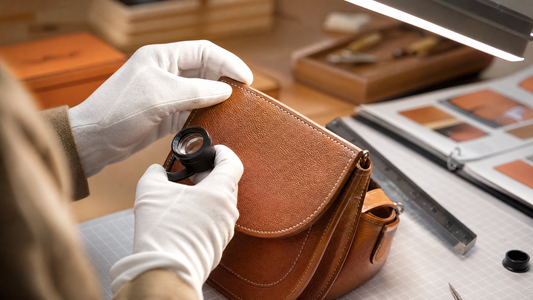
First, we must understand that the "scarcity" of Hermès is structural, not purely artificial. Take the iconic Birkin and Kelly bags, for example. Each bag is still meticulously handcrafted by individual artisans using the traditional saddle stitch. Training a skilled artisan takes years of rigorous practice, meaning production simply cannot be scaled up like industrialized manufacturing to meet peak market demand. This unwavering commitment to traditional craftsmanship creates genuine supply constraints.
Secondly, Hermès' brand positioning is crystal clear. They emphasize ultimate craftsmanship, understated luxury, and timeless design, rather than mass accessibility or widespread distribution. This steadfastness allows the demand for Hermès to transcend fleeting fashion cycles. The buyers are not just trend-conscious consumers, but increasingly collectors and investors.
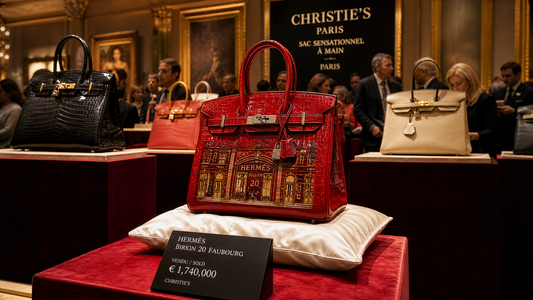
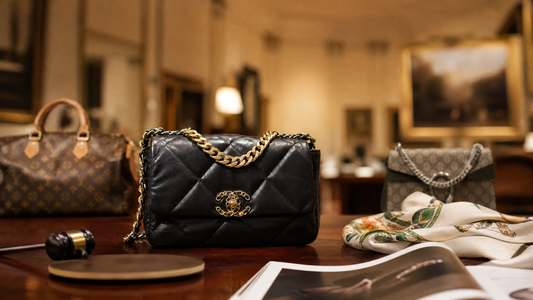
From an investment perspective, the data speaks for itself. According to the Knight Frank Luxury Investment Index, investment-grade handbags have been one of the strongest performing luxury collectible categories over the past decade. Even more astonishingly, in 2025, the original Birkin prototype owned by Jane Birkin herself sold at auction for over $10 million, setting the record for the most expensive handbag in history. This undoubtedly solidifies the investment value of Hermès.
Furthermore, the maturity of the Hermès market is a crucial factor in its value retention. Today, auction houses, professional authenticators, and specialized resellers like us have formed a complete ecosystem. This makes Hermès a highly liquid and relatively transparent collectible category globally, allowing both buyers and sellers to participate with greater confidence.
However, as an industry insider, I must highlight an important nuance: not every Hermès bag will appreciate equally. The color, leather type, rare material combinations, overall condition, and even its provenance directly impact its final value. In the realm of investment, there are no guaranteed returns, and handbag investment requires a professional eye and rational judgment.
If you're interested in investment analysis within the secondary luxury market or want to stay updated on Hermès market trends, feel free to connect.
Looking for more professional analysis and resource networking in the secondary luxury market? Visit the Asia Luxury Association website at aisaluxassoc.com and explore industry opportunities with us.