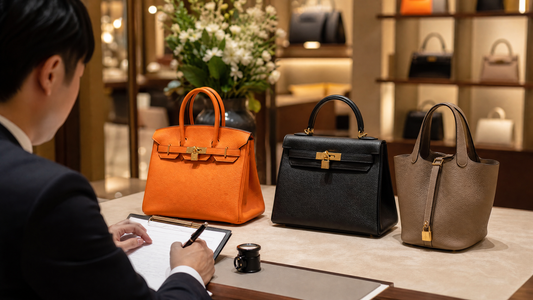
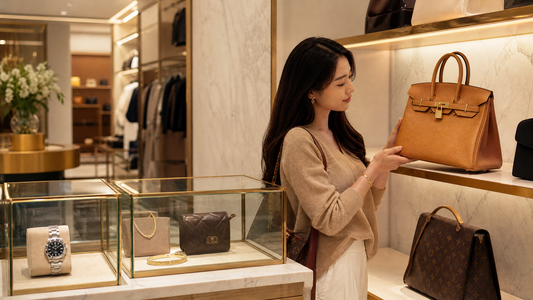
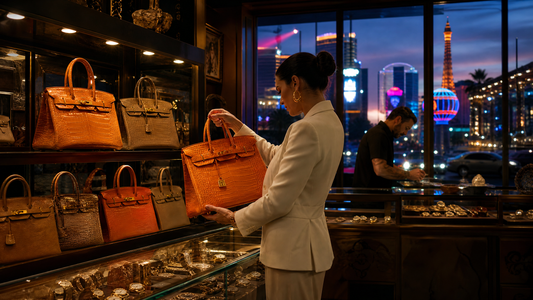
Recently, I watched an in-depth report by ABC News' Nightline exploring a phenomenon that our industry is paying close attention to: why secondhand and vintage luxury bags have become highly desirable. As the President of the Asia Luxury Association (ALA), I communicate daily with dealers from Hong Kong, Japan, China, and Southeast Asia, and this trend is equally, if not more, pronounced in our markets.
According to McKinsey's forecast, the secondhand luxury market is expected to surpass the retail luxury market by 2027. This is a staggering statistic, but it makes perfect sense. Why are more and more consumers turning to the secondhand and vintage markets?
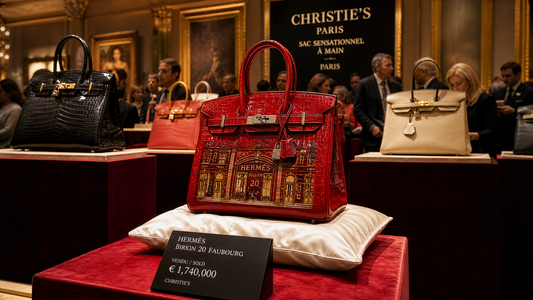
First and foremost, it's not just about the price. Many classic secondhand luxury bags, especially from top-tier brands like Hermès, Chanel, and Louis Vuitton, actually appreciate in value. In the current economic climate, consumers have become savvier; they no longer view buying a bag merely as consumption, but as a continuously growing investment. A well-maintained vintage Chanel Flap Bag or Hermès Birkin often sees its value rise steadily over time.
Secondly, the concept of sustainable fashion is profoundly influencing consumer decisions. Purchasing a secondhand bag not only extends the lifecycle of these exquisite crafts but is also a practice in environmental responsibility. This dual pursuit of value preservation and sustainability is the core driving force behind the booming secondhand market.
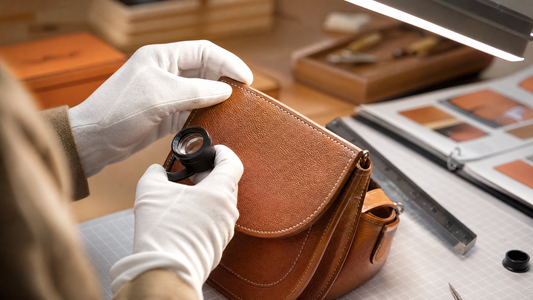
For our ALA members and the broader community of secondhand luxury dealers, this is undoubtedly a massive opportunity. We need to focus even more on authentication, maintenance, and value discovery to provide consumers with superior choices.
Want to learn more about the latest trends and resource matching in the Asian secondhand luxury market? Visit our website: aisaluxassoc.com