Is AI Authentication the Future of Second-Hand Luxury? Insights from Zhuan Zhuan Group's Hong Kong Expansion

Body:
Hello everyone, this is Shiken, President of the Asia Luxury Association (ALA).
A piece of news has recently sent ripples through our industry: leading mainland Chinese resale platform, Zhuan Zhuan Group, has announced the establishment of its international headquarters in Hong Kong, bringing along its proprietary AI authentication technology. As the head of an association dedicated to connecting resources for second-hand luxury dealers across Asia, I see this as more than just a corporate expansion—it's a signal of a potential paradigm shift for our entire industry.
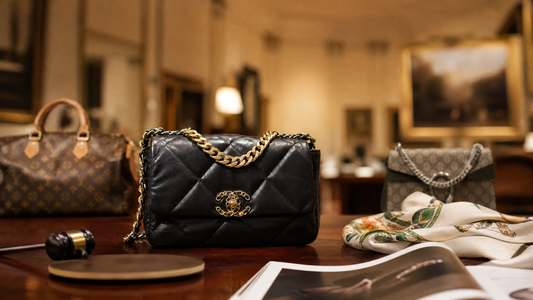
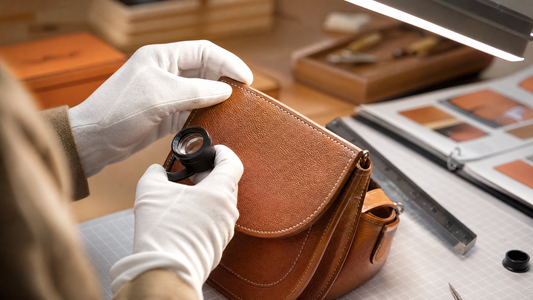
According to reports, Zhuan Zhuan's "AI Image Authentication" technology has achieved an error rate of less than 0.01% for authenticating Louis Vuitton bags, and an astonishing zero-error record for Gucci. This year, they plan to extend this capability to core brands like Chanel and Hermès. The precision and efficiency of this technology undoubtedly pose a significant challenge to the traditional, human-centric authentication model.
On the positive side, the maturation of AI authentication has the potential to solve the industry's long-standing pain points: trust and efficiency. A standardized, highly efficient system with a near-zero error rate can significantly boost consumer confidence and enhance market liquidity. For many of our ALA members, this could be a powerful tool to leverage, helping them scale their operations and reduce authentication costs.
However, we must also consider the challenges. Will an over-reliance on AI lead to a loss of appreciation for the craftsmanship, history, and the "human touch" of these products? Can an algorithm truly replace the years of accumulated experience and intuition of a seasoned authenticator? Furthermore, as leading platforms build technological and capital-driven barriers to entry in authentication, how will small and medium-sized enterprises position themselves?
Zhuan Zhuan Group's choice of Hong Kong as the first step in its globalization reaffirms the city's pivotal role in the international luxury market. For local practitioners, this is both an opportunity and a challenge. We need to adapt to market changes more quickly, considering how to integrate new technologies into our businesses to enhance our professionalism and competitiveness.
At ALA, we will be closely monitoring this trend and are committed to providing our members with the latest industry information and resources to navigate this era of transformation together. I believe that technological advancement will ultimately drive the industry forward; the key lies in how we harness it.
For more in-depth industry analysis, visit the Asia Luxury Association website: aisaluxassoc.com