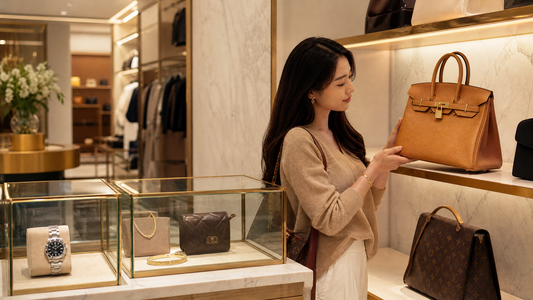
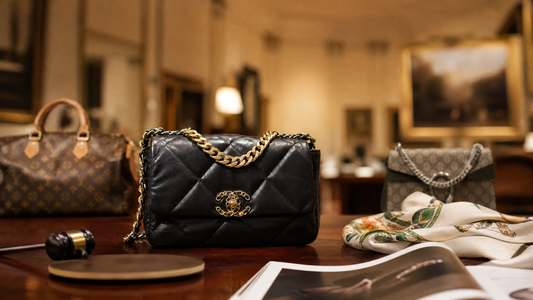
A clear shift is taking place in the pre-owned luxury handbag market. Transactions are no longer happening only quietly in boutiques, on platforms or through consignment processes. The category is becoming event-driven, community-driven and scarcity-driven. Daily Mail recently reported that Sellier in Knightsbridge, London held a designer handbag flash sale where thousands of shoppers queued on the street, with some arriving before dawn and one shopper flying in from Dublin to secure pre-owned Birkin, Chanel and Louis Vuitton bags.
According to the report, the first customer arrived at 1am, with as many as 2,000 people queueing behind her. The rules were also strict: each shopper had a 10-minute slot and could purchase only one bag. This format resembles sneaker releases, streetwear drops and limited-edition retail events. When pre-owned luxury is placed within a timed, limited and highly visible environment, buyers are not only responding to price. They are responding to participation, atmosphere and scarcity.
One of the strongest examples was the first shopper purchasing a black lambskin Chanel Vintage Classic Flap Bag. Chanel vintage remains a high-conversion category because it combines brand recognition, history and long-term demand. Another shopper reportedly purchased a rare Chanel flower denim bag for less than £2,500, while Sellier’s founder said the piece was reselling for around £5,500 to £6,000. This is exactly what makes the resale market powerful: when buyers believe they may find rare pieces at attractive prices, waiting becomes part of the value proposition.
The report also noted that more than 500 designer bags sold out within hours, with some customers saving more than £10,000. These figures show that offline resale events can still create high transaction density when curation, pricing and event design align. Even as e-commerce and platform transactions mature, a physical experience with stories, interaction and community energy can still drive strong demand.
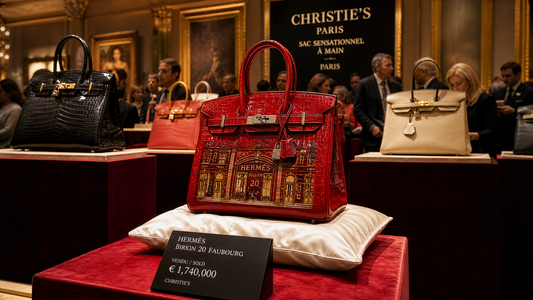
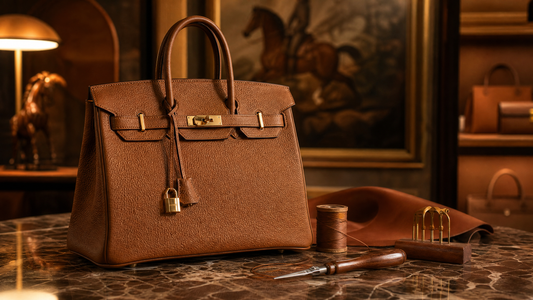
At the same time, the article reminds us that second-hand luxury does not always mean cheaper. Because of Hermès Birkin’s primary-market access barriers and scarcity, pre-loved Birkins can sell for as much as £30,000, while some highly coveted bags can reach up to £200,000 on the resale market. In other words, resale contains two different logics: one is price advantage, and the other is scarcity premium.
For Hong Kong and Asia’s vintage shops, this case offers valuable lessons. Retailers do not need to rely only on regular product uploads. Curated drops, time-limited previews, member priority, themed selections, transparent pricing and live content can transform pre-owned handbag retail into an experience that customers want to share and discuss. When the market evolves from simple buying and selling into community experience, trust and customer loyalty become stronger.
The next stage of pre-loved luxury will not be defined only by more inventory or lower prices. It will be defined by how well scarcity, expertise, storytelling and community are combined. This is a direction worth watching for Asia’s second-hand luxury industry.
For more insights on second-hand luxury markets and industry strategy, visit aisaluxassoc.com and join Asia Luxury Association in building a more professional resale ecosystem.