The New Wave of Vintage in Saudi Arabia: What Can the Asian Market Learn When Tradition Meets Classic?

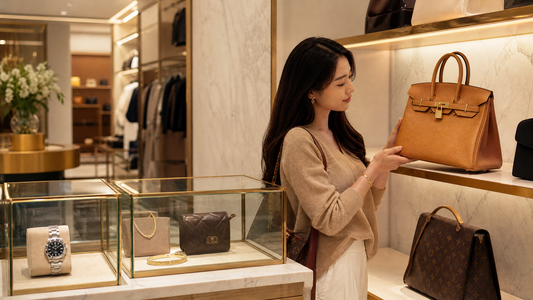
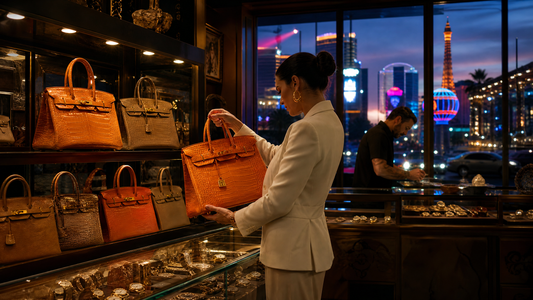
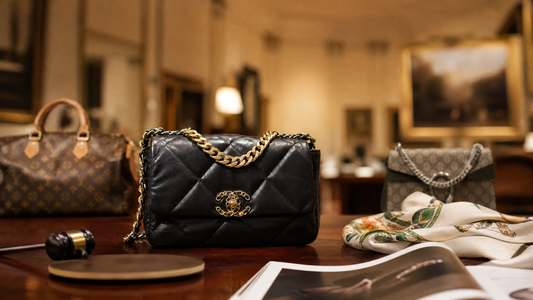
During recent conversations with colleagues in the Middle East, a fascinating trend has caught our attention: the second-hand luxury market in Saudi Arabia, particularly for vintage handbags, is experiencing unprecedented growth. This is more than just consumption; it's a profound shift that combines cultural identity, sustainability, and savvy investment.
According to a report from Arab News, the local market for pre-owned handbags is valued at nearly a billion dollars. Multiple factors are driving this boom, with the rise of younger consumers, especially Gen Z, at its core. They are no longer just chasing the latest "it" bag but instead appreciate vintage pieces with stories, character, and a uniqueness that cannot be easily replicated. This pursuit of Y2K aesthetics and individuality aligns perfectly with the global trend of sustainable fashion and Saudi Arabia's own Vision 2030 sustainability goals.
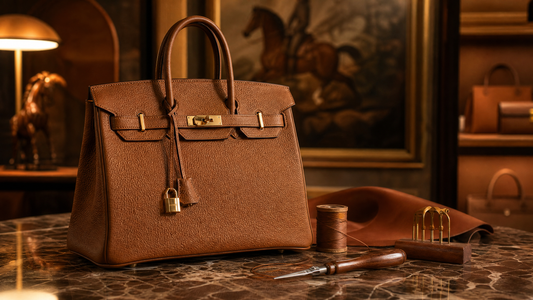
What's even more interesting is the maturation of the consumer mindset. Saudi luxury enthusiasts are well-informed about global trends but are also confident in their own tastes. They seek to be "unique," not "mainstream." Pairing a classic Hermès Kelly or a rare Chanel Flap Bag with the traditional abaya has become a new fashion language. This is not just a style statement but an expression of cultural confidence—a seamless blend of modern classics with deep-rooted traditions.
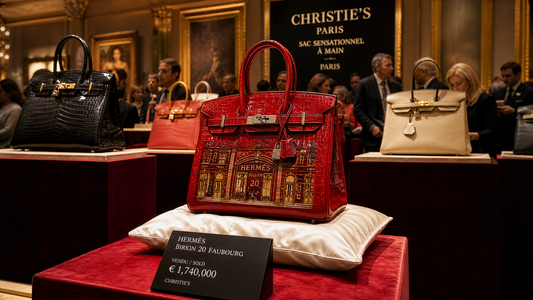
From a business perspective, which is of utmost concern to our association members, the investment value of this wave cannot be overlooked. Vintage handbags, especially discontinued models, have a finite supply while global demand continues to rise. This means their value is poised for significant appreciation. Data has consistently shown that classic handbags from Hermès and Chanel have not only retained their value remarkably well over the decades but have also offered appreciation potential surpassing many traditional investment assets. The fact that a prominent Jeddah-based reseller, Amused, reported an annual revenue growth of over 50% is the most direct signal from the market.
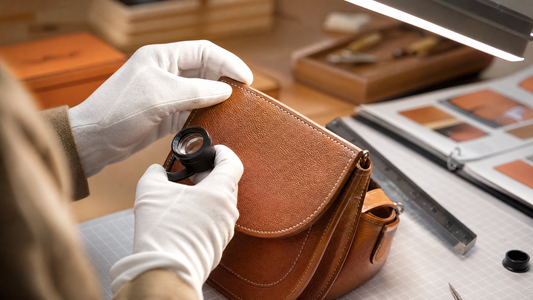
In the past, the term "second-hand" may have carried a certain stigma. However, with the advancement of professional authentication techniques and AI verification, that stigma is being completely erased. Consumers can now purchase with confidence, viewing these items as proud additions to their collections and sound investments.
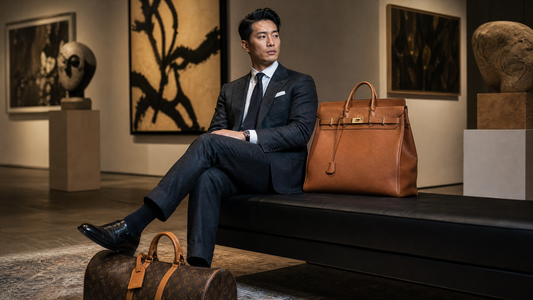
Saudi Arabia's experience offers valuable lessons for our peers in the Asian market. We are facing a similar demographic of increasingly discerning consumers who prioritize individuality and sustainability. The key to our future growth will lie in how we uncover the stories behind each vintage piece, integrate them with local culture, and leverage technology to build trust. This is an era full of opportunities, and it's time for us to ride this global new wave of vintage together.
Want more in-depth insights into the luxury industry? Visit our official website at aisaluxassoc.com to join us and connect with top industry professionals across Asia.