2026 Luxury Handbag Investment Guide: The Resale Value Myths of Hermès, Chanel, and Louis Vuitton

As the President of the Asia Luxury Association, I am often asked, "Which handbag is the wisest investment right now?" This is not just about fashion trends; it's a strategic decision related to asset allocation. According to the latest market data, especially with reference to the Clair Report by Rebag, the 2026 handbag investment market continues to be dominated by a few classic brands, but the nuances among them are worth a deeper dive.
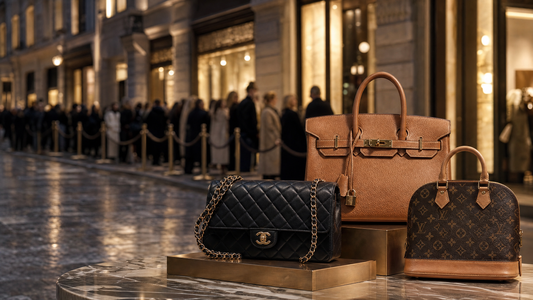
Hermès is undoubtedly the king of value retention. Its handbags boast an average resale value of 110%, meaning their worth in the secondary market can even exceed the original retail price. Popular models like the Constance (127% value retention) and the Birkin 25 (soaring at 120-140%) are no longer mere consumer goods but are considered alternative investment assets. A Birkin 25, retailing for about $11,000, can fetch nearly $26,000 on the resale market. This staggering return rate makes it the ultimate goal for many. However, the difficulty of acquiring a Hermès bag at retail is well-known, which in turn drives up its value in the secondary market. My advice is this: if you are fortunate enough to purchase one at retail and plan to hold it for at least five years, it will be a very sound investment.
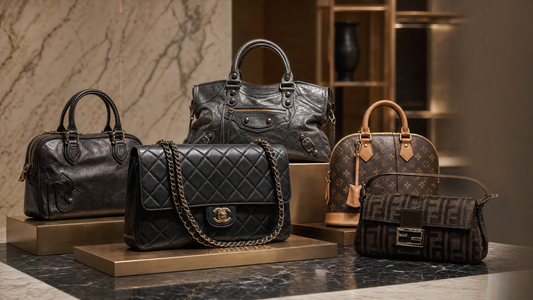
Next is Chanel, with an average value retention of about 82%. Since 2016, Chanel's retail prices have seen a staggering increase of approximately 70%. This means a Classic Flap purchased for $4,900 in 2015 could now have a resale value of around $8,856. This demonstrates the strong appreciation potential of Chanel's classic styles. However, it is worth noting that Chanel's frequent price adjustments in recent years have caused some market volatility. For instance, the Deauville Tote once reached a 114% value retention rate, indicating strong market demand for specific styles. For Chanel, I recommend caution against buying at peak prices and focusing on timeless, classic models.
Finally, let's look at Louis Vuitton, with an average value retention of 81%, nearly on par with Chanel. LV's strength lies in its extremely high liquidity. Models like the Neverfull have always been highly sought after, ensuring a quick turnover, making them a top choice for sellers seeking reliability and fast cash-out. While its value retention may not be as astonishing as Hermès, its stability and market acceptance make it a very safe bet.
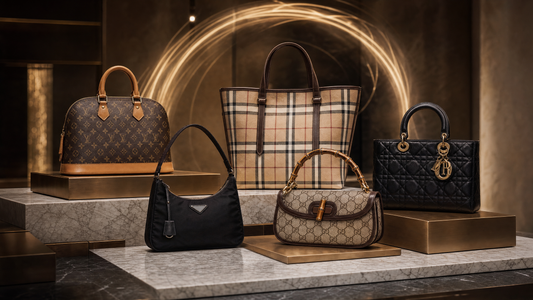
In conclusion, these three brands each have their own strengths in the secondary market. Hermès is the top choice for long-term investors seeking maximum returns; Chanel is suited for players who can identify classic pieces and have a keen sense of the market; and Louis Vuitton provides a solid guarantee for dealers who prioritize stability and liquidity. As practitioners in this industry, understanding the market dynamics of these brands will help us make more precise sourcing and pricing decisions. For more in-depth industry analysis, please visit our website.