Hi everyone, this is Shiken from the Asia Luxury Association.
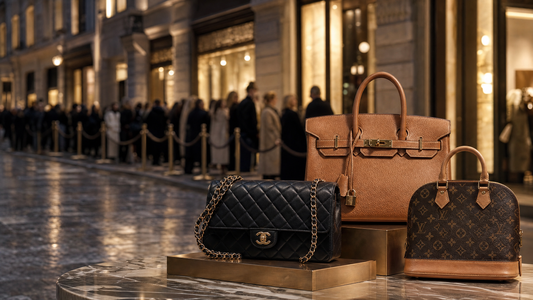
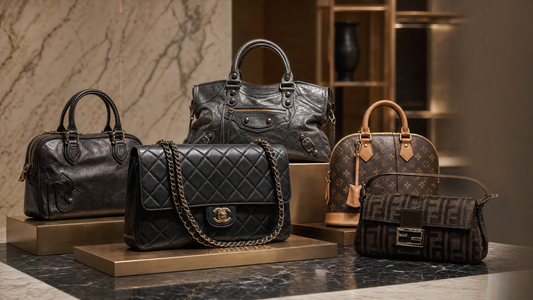
The continuous price surge of the Chanel Classic Flap Bag has been a hot topic. Since 2005, its retail price has more than tripled. This isn't just a numerical increase; it reflects a profound shift in the luxury market's structure. As an industry insider, I believe we are witnessing a new era where the resale market dictates pricing.
In the past, we viewed the secondary market as an extension of the retail market, a "sub-market." However, data shows that prices on the Chanel resale market now rise almost instantly with retail price hikes. Some rare or discontinued vintage models even command prices higher than new ones in boutiques. What's driving this?
First is Chanel's masterful scarcity marketing. The brand deliberately limits production while global demand, especially from the Asian market, continues to grow. This has created a severe supply-demand imbalance, where the "hard-to-get" factor further inflates value on the resale market.
Second, we need to discuss the shift in the "Birkin effect." For years, the Hermès Birkin was the gold standard for handbag investments. However, recent market data reveals an interesting trend: the Chanel Classic Flap is rapidly closing the gap. In comparison, Chanel boasts higher market liquidity, a broader buyer base, and a faster resale cycle. For many of our association's members, this translates to faster inventory turnover and healthier cash flow.
What’s even more interesting is the trend in the European market. With growing sustainability awareness, consumer acceptance of pre-owned luxury has significantly increased, especially in Germany and France, where demand for vintage is robust. This is not just a fashion trend but a reflection of changing values, offering new market insights and opportunities for us sellers in Asia.
So, what does this mean for us luxury dealers?
Re-evaluate Pricing Strategies: The secondary market is no longer a passive follower; it is actively "setting the price." We must pay close attention to pricing dynamics in the resale market, not just retail adjustments.
Smarter Inventory Management: The appreciating value of classic models means they are stable assets. Balancing inventory between classic and seasonal pieces will be key to maximizing profitability.
The Importance of Condition and Rarity: Today's buyers are more sophisticated. They aren't just buying a bag; they are making an investment. Therefore, the bag's condition, complete packaging (Full Set), and rarity have become more critical than ever.
In conclusion, the luxury resale market has evolved into a complex ecosystem full of opportunities. Waiting will only mean paying more later. As members of this industry, we need a sharper market sense and more agile strategies to seize the opportunities in this transformation.
Want to learn more about in-depth analysis and business strategies for the luxury market? Feel free to visit our official website.