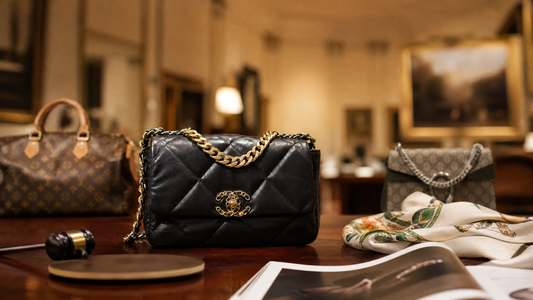
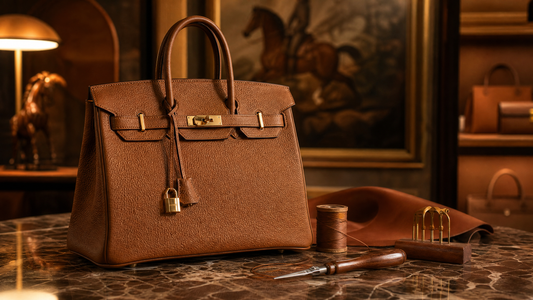
For a long time, luxury resale was treated as something outside the main fashion cycle. New products launched first, trends formed on runways and in boutiques, and only later would some pieces enter the resale market. But Rolling Stone UK’s discussion of eBay Watchlist Spring/Summer 2026 highlighted a key observation: resale is no longer orbiting the fashion cycle, but embedded within it. In other words, resale is no longer a side market. It has become part of how fashion trends are created, circulated and rediscovered.
This shift is especially important for pre-owned luxury handbags. The article noted that designer handbags listings increased by 20% in the first quarter of 2026. This reflects a more active supply side and suggests that more sellers are treating handbags as assets that can be reallocated. Consumers are also turning to resale platforms not only for price advantage, but for value and rarity. Very often, the strongest appeal of resale is the ability to find archive pieces, limited styles and past-season designs that are no longer available in the primary market.
The article also discussed stylist Harry Lambert’s use of eBay to source archive pieces and one-off finds. This is a significant industry signal. When professional stylists use resale platforms, resale moves from being a consumer alternative to becoming a professional sourcing tool. Celebrity styling, music culture, film, television and runway references can all bring archive pieces back into demand. That is why certain brands or silhouettes can suddenly become highly searched after years of relative quiet.
From a brand perspective, the article mentioned Louis Vuitton, Burberry, Prada, as well as renewed attention around Gucci and Dior due to creative direction changes. This reminds us that the primary and secondary markets are not separate. New creative direction, brand news and runway conversations often stimulate demand for older pieces. When the market starts discussing a brand’s heritage, consumers naturally return to resale platforms to search for earlier pieces with stronger original design language.
For Asia’s second-hand luxury industry, the message is clear. Resale is no longer a passive business that simply waits for consignments. It requires active understanding of fashion content, community sentiment and platform data. Retailers who can anticipate which brands may be rediscovered due to creative directors, celebrity styling or media exposure will gain an advantage in sourcing, pricing and customer education.
In my view, the next stage of competition in pre-owned luxury handbags will not be limited to authentication or price comparison. It will be about information advantage. Those who understand signals earlier will be better positioned to explain value, manage inventory and build long-term customer trust.
For more insights into Asia’s second-hand luxury industry, visit aisaluxassoc.com and connect with Asia Luxury Association’s professional network.