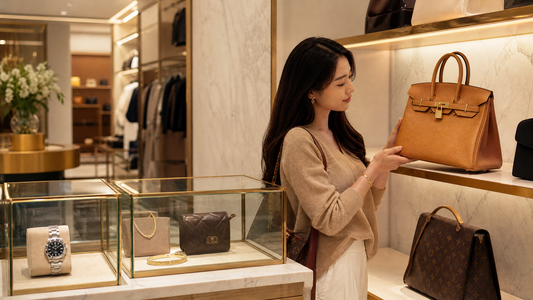
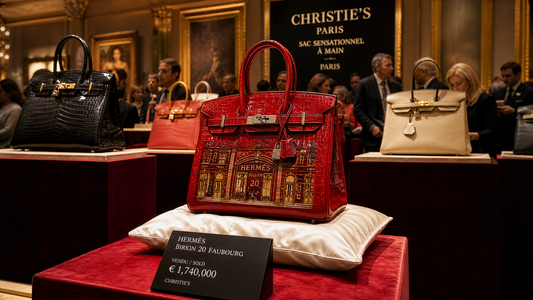
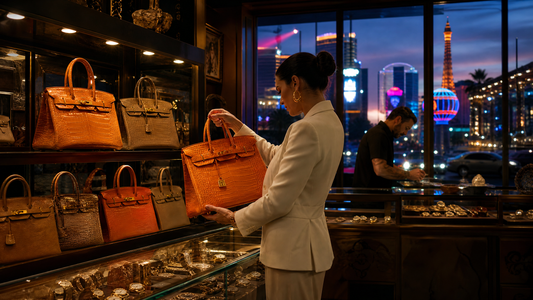
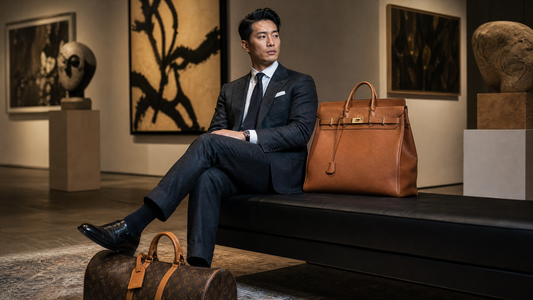
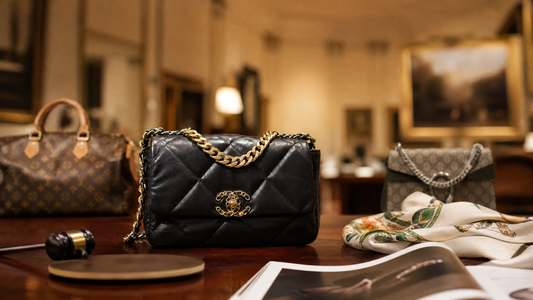
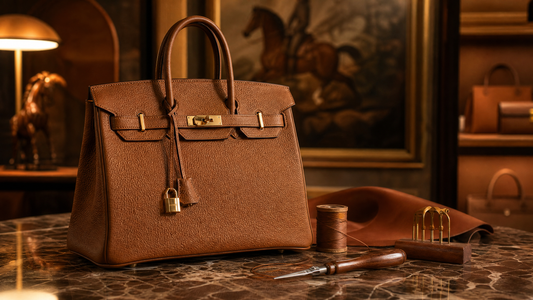
The luxury resale market has been booming in recent years, but unfortunately, so have counterfeit scams. As the President of the Asia Luxury Association (ALA), I frequently encounter buyers who fall into these traps due to a lack of experience. Today, I want to share six of the most common scams when buying top-tier brands like Chanel, Louis Vuitton, or Hermès, and how you can effectively protect yourself.
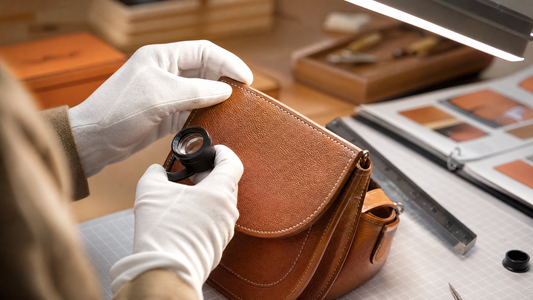
First on the list are "Super Fakes." These high-quality counterfeits are incredibly difficult to spot at first glance. If you come across a price that is significantly below market value, and the seller is reluctant to provide close-ups of the stitching, hardware, or serial numbers—relying instead on vague "100% authentic" claims—consider it a major red flag. I always recommend asking for close-up photos taken in natural light, comparing fonts and stitching, and choosing sellers who can clearly explain their authentication process.
Second is social media impersonation. Scammers often create fake accounts mimicking legitimate resale shops, directing you to WhatsApp and rushing you to make a payment. Before proceeding, always check the account's history and cross-reference the username with their official website.
The third common trap involves fake receipts and authenticity cards. Many believe that having paperwork guarantees authenticity, but forged documents are incredibly common. Documents can support a claim, but the bag's construction, materials, and craftsmanship are the true indicators of authenticity.
Payment manipulation is another tactic to watch out for. If a seller insists on bank transfers only or asks you to use PayPal's "Friends and Family" option, you will lose your buyer protection. Always insist on using secure payment methods that offer buyer protection.
Additionally, "Bait & Switch" is a frequent issue. Sellers might use filters to hide wear and tear on a bag. To protect yourself, ask for timestamped photos or videos in natural light and clearly confirm the condition grading of the item.
Finally, be wary of fake authentication services. Some scammers go as far as creating forged third-party authentication websites. Before relying on any authentication report, independently verify the reputation of the service within the industry.
In conclusion, the safest approach when buying pre-owned luxury goods is to purchase from established resellers with transparent processes. Don't let the excitement of a good deal cloud your judgment, ask plenty of questions, and always trust your instincts.
Want to learn more about professional luxury authentication and market insights? Visit the Asia Luxury Association website at aisaluxassoc.com and join us in building a safe and transparent luxury resale environment.