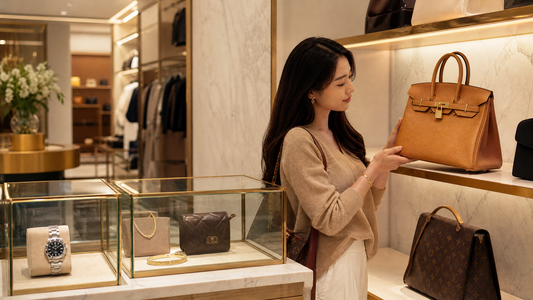
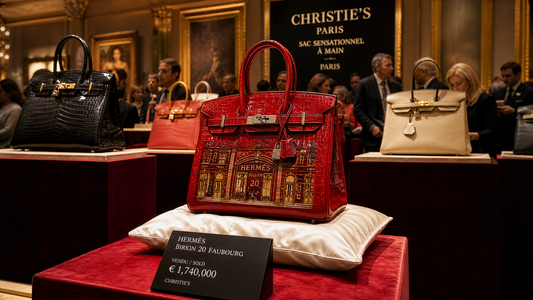
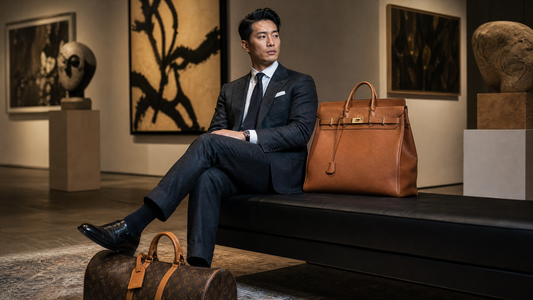
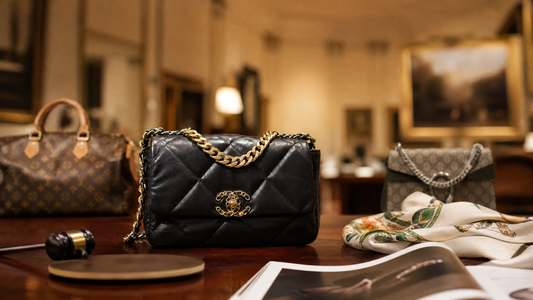
In the world of luxury, Louis Vuitton is more than just a brand; it's a cultural symbol and a potential asset. Many people purchase LV not only for its exquisite craftsmanship and classic designs but also increasingly for its performance in the resale market. A bag's value lies not just in its retail price, but in how much value it can retain—or even appreciate—years later. This is the core of our discussion today: "value retention."
The Speedy's top ranking is well-deserved. Since its creation in the 1930s, it has become one of LV's most iconic models. No matter how fashion trends change, the Speedy always has its place. Its high recognizability and strong global demand make it extremely sought-after in the resale market. Vintage versions (pre-2000) are particularly coveted by seasoned collectors due to differences in craftsmanship and materials from that era, often selling at a premium. While its relatively high supply limits its scarcity, a massive fan base and stable demand ensure its value remains firm. For those new to luxury investment, the Speedy is a relatively safe and steady choice.
If the Speedy is a symbol of classic style, the Neverfull is the perfect blend of practicality and fashion. Its large capacity and versatile design make it an everyday essential for many, especially in the US and UK markets where its popularity is unparalleled. This means the Neverfull has very high liquidity in the resale market; you'll have almost no trouble selling it. However, precisely because of its ubiquity, its appreciation potential is more modest. The real investment opportunities lie in the seasonal limited editions or artist collaborations. These special versions of the Neverfull have limited production runs and unique designs. Once discontinued, their collectible value and appreciation potential immediately become apparent.
The Alma's design, inspired by the Art Deco movement, stands out with its structured, elegant silhouette among a sea of softer bags. It's not the "it-bag" that everyone carries like the Speedy or Neverfull, which is precisely why it attracts a loyal following of collectors. The Alma in Vernis leather or limited editions, in particular, holds good appreciation potential due to its unique visual appeal and rarity. From an investment standpoint, the Alma is like a growth stock. Its everyday demand may not match the top two, but its unique artistic quality and collectible value ensure it remains attractive within specific collector circles.
With the rise of the men's luxury market, the Keepall's value has also soared. Originally designed for travel, this bag has now become a staple for stylish men. Vintage Keepalls, especially in sizes 45 and 55, are highly sought-after at auctions. Its durable classic Monogram canvas perfectly embodies LV's philosophy of "the art of travel." Investing in a Keepall is not just investing in a bag, but in an expanding lifestyle and market trend.
The story of the Noé is legendary; it was originally designed to transport champagne bottles elegantly. This unique origin gives it a distinct charm. Although the Noé is relatively niche, its iconic bucket shape and drawstring detail give it an irreplaceable status in the eyes of veteran collectors. Vintage versions of the Noé are highly collectible for their history and uniqueness. For investors who seek uniqueness and don't follow the crowd, the Noé is a very appealing choice.
The rise of the Pochette Accessoires perfectly illustrates the immense influence of social media in today's fashion world. Fueled by Instagram and TikTok, demand for this small accessory pouch has surged, leading to it being constantly sold out at retail and commanding a staggering premium on the resale market. However, this trend-driven value comes with high risk. Trends come and go quickly, and its price could fluctuate dramatically once the hype fades. Investing in a Pochette Accessoires is more of a speculative move, requiring a keen sense of market trends and a willingness to get in and out quickly.
Conclusion: A New Era of Luxury Investment
This ranking shows that today's luxury buyers are becoming increasingly savvy. They are not just consumers, but investors. When making a purchase decision, they consider a combination of factors:
Resale Value & Appreciation Potential: How much will this bag be worth in the future?
Rarity & Collectibility: Is it a limited edition or a classic? How does it perform in the vintage market?
Craftsmanship & Durability: Can its quality stand the test of time?
As the Asia Luxury Association, we are committed to providing you with professional market insights and knowledge sharing. Understanding these trends not only helps you make smarter purchasing decisions but also allows you to deeply appreciate the culture and value behind luxury goods.
Want to learn more in-depth analysis of luxury investments? Visit our official website at aisaluxassoc.com and join us to connect with more industry experts and enthusiasts.