Hello to all friends and collectors in the luxury industry. I'm Shiken, from the Asia Luxury Association.
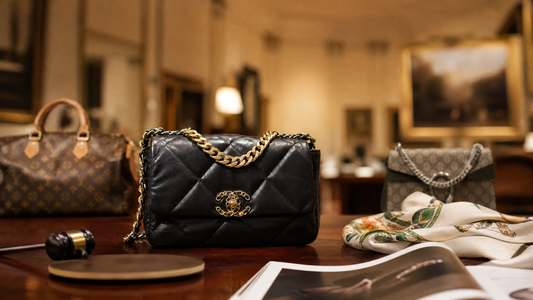
The recent news about the Chanel Classic Flap Bag's price soaring by over 300% in the past two decades has undoubtedly sparked considerable discussion within our industry. As a long-term market observer, I'd like to share some deeper insights from the perspective of our association, a platform dedicated to connecting resources for second-hand luxury dealers across Asia.
This is more than just a routine price adjustment by a brand. What we are witnessing is a structural shift driven by multiple factors. Firstly, Chanel's official "scarcity" strategy—strictly controlling production—is undeniably the primary driver pushing up prices in both the primary and secondary markets. When buyers worldwide, whether in Europe, the US, or Asia, are competing for the same limited inventory, price hikes become an inevitable outcome.
What's more interesting is the almost "instantaneous" reaction of the resale market. This confirms a point I often emphasize: today's second-hand luxury market, especially for top-tier brands like Chanel and Hermès, is no longer a "secondary market" in the traditional sense, but a "pricing market." Its price fluctuations and supply-demand dynamics can, in turn, influence consumer purchasing decisions in the primary market. The fact that many vintage models now command prices higher than new ones is the best evidence of this.
Behind this shift is a fundamental change in consumer mindset. A growing number of buyers, particularly the new generation of affluent individuals in Asia, no longer view handbags merely as consumer goods but as an alternative asset class. They are concerned with value retention, appreciation potential, and liquidity. This brings us to another topic worth discussing: Chanel vs. Hermès, which is the better investment?
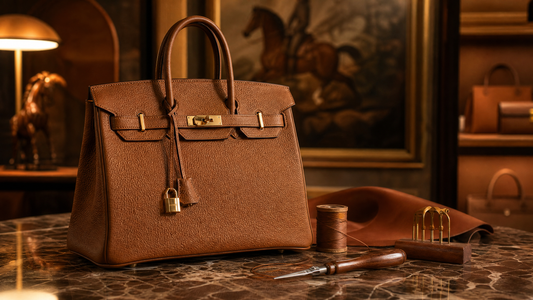
Traditionally, the Hermès Birkin and Kelly have been hailed as the "gold standard" of handbag investment, with their astonishing returns being a constant topic of conversation. However, we must note that Chanel is rapidly closing the gap. Why? The keys are liquidity and market base.
Compared to Hermès' high barrier to entry and long waiting lists, Chanel is relatively more accessible and boasts a broader buyer base. This translates to a faster resale cycle. For us dealers, a quicker turnover of capital and more active trading volume are sometimes more attractive than sheer high-profit margins. For distributors in the Asian market, Chanel's high liquidity means healthier cash flow and lower inventory risk.
The increasing acceptance of the "pre-loved" concept in the European market, especially in Germany and France, has also paved the way for the maturation of the global market. For Asian buyers and dealers, this means we are operating in a globalized and highly competitive market environment. Waiting often means missing a better entry point.
In conclusion, Chanel's pricing strategy has not only solidified its brand value but has also profoundly changed the rules of the luxury resale game. For the members of our Asia Luxury Association and all friends in the industry, understanding and leveraging this trend—identifying products like Chanel that offer both brand value and high liquidity—will be crucial for future business growth. We need to be more astute in capturing market pulses and more precise in our asset allocation.
I hope today's sharing has brought you some inspiration. Feel free to visit our official website at aisaluxassoc.com to join us in exploring and shaping the future of the Asian luxury market.