In recent years, we have witnessed a clear trend: major fashion brands are actively entering the resale market. According to Fortune, brands like Zara, H&M, Lululemon, and Levi's have successively launched their own resale platforms. In the past, second-hand transactions for these brands mainly occurred on third-party platforms like eBay and Poshmark, with the brands themselves unable to profit from them. Now, they aim to regain control over the product lifecycle and take a slice of the pie through their own platforms.
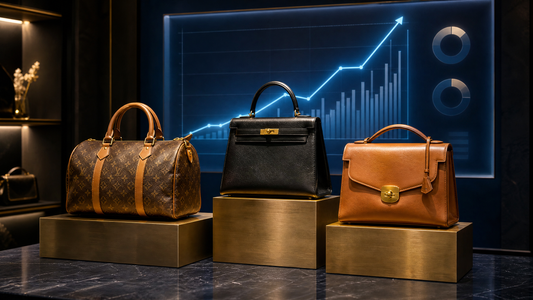
According to ThredUp's forecast, the global second-hand apparel market will reach $393 billion by 2030, growing at twice the rate of the overall apparel market. This wave, driven by Gen Z and millennials, is not only motivated by environmental concepts but also by the search for more cost-effective options under economic pressure. Brand-owned resale not only creates additional revenue streams but also strengthens customer loyalty, allowing consumers to easily purchase second-hand items alongside new ones.
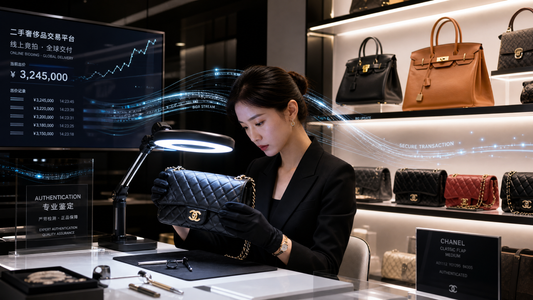
For our fellow second-hand luxury dealers in Asia, this is a signal worth pondering. Although this wave is currently led by fast fashion and sports brands, luxury brands will eventually realize the importance of controlling the resale market. When brands start intervening in secondary sales, where does the value of our vintage dealers lie? I believe our moat lies in what brands cannot do: cross-brand sourcing networks, the rarity of discontinued and vintage models, professional authentication credibility, and deep local customer relationships. Peers in Hong Kong, Japan, China, and Southeast Asia, we must perfect "authentication + scarce curation + cross-border circulation" to remain invincible in the future market.
Want to learn more about the latest trends and resource matching in the Asian second-hand luxury market? Visit aisaluxassoc.com now and join our professional network!