BCG Report Reveals: Pre-owned Bags Make Up 40% of Wardrobes, Vintage Officially a Tradable Asset

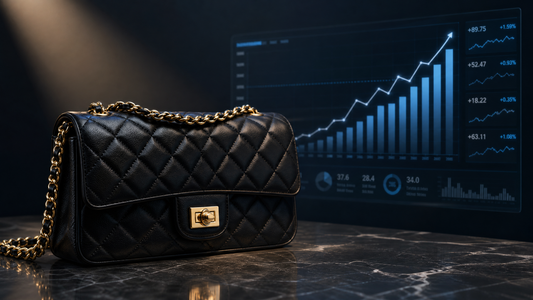
I recently read a report by Boston Consulting Group and Vestiaire Collective, and the data within it gave me a deeper appreciation for the pre-owned luxury industry we operate in. The report indicates that the global pre-owned fashion and luxury market is currently valued at approximately $210 billion to $220 billion, and is expected to reach $320 billion to $360 billion by 2030. This market is growing at an annual rate of about 10%, which is three times faster than the primary fashion market. This means that our industry has transformed from a fringe activity into an increasingly vital part of the global fashion business ecosystem.
What struck me most is that pre-owned items account for about 28% of the surveyed consumers' wardrobes, and in the handbag category, this proportion climbs to 40%, higher than the 30% for clothing. This demonstrates that handbags have become the anchor of the entire pre-owned luxury ecosystem. As a practitioner running a Chanel vintage shop in Hong Kong, I am well aware of the liquidity and value retention of handbags in the secondary market. This is not just a consumer preference, but a reflection of a structural shift in the market.
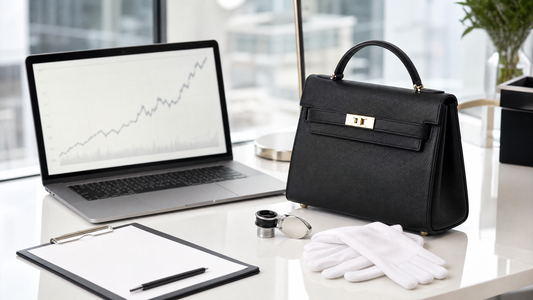
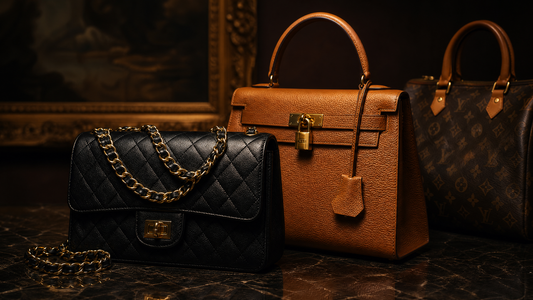
The report mentions that Vintage has transformed from goods that "lose value the moment they leave the store" into assets that can retain high value and even appreciate in resale price. Data from The RealReal shows that the resale value of the Hermès Birkin 30 has increased by 15%, and the Louis Vuitton Speedy by 13%. These concrete figures support the notion that "Vintage has become an asset," which is no longer just a marketing slogan but a tangible market reality.
Digital platforms have played a crucial role in this transformation. Vinted processed €10.8 billion worth of goods in 2025, and its business model shift—eliminating seller fees and shifting them to buyers—has effectively increased supply and improved market liquidity. This offers a direct lesson for us dealers in Asia: reducing seller friction is the most effective way to expand sourcing.
Furthermore, BCG points out that resale has become part of the customer journey. This means that vintage shops in Asia are no longer adversaries to brands, but collaborators in extending the product lifecycle. Brands can acquire new customers, solidify loyalty, and understand which products retain value over the long term through resale.
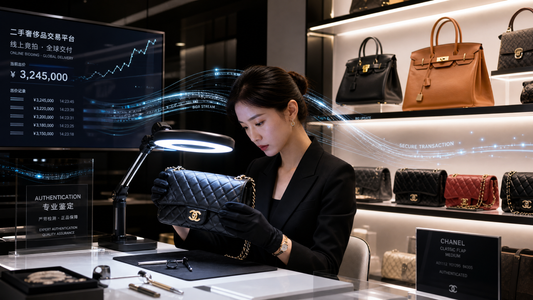
Finally, the report emphasizes that "trust is a direct economic factor." Authentication remains the most significant challenge in the pre-owned luxury market. This echoes the original intention of the Asia Luxury Association (ALA) to build a network of mutual trust among peers. We have the sourcing advantages of Japan and Hong Kong, coupled with the massive demand from China and Southeast Asia, making this the most liquid corridor in the future $300+ billion market. We need to work together to enhance market trust to secure our share in this booming market.
Want to learn more about the latest trends and peer resources in the Asian pre-owned luxury market? Visit the Asia Luxury Association website at aisaluxassoc.com and explore the future of the industry with us.