From Consumption to Investment: Why Classic Handbags Are the Hard Currency of the Secondary Market

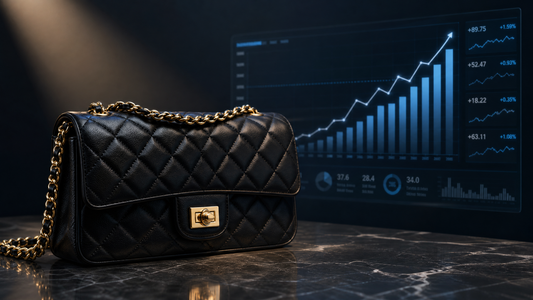
A recent report published by Boston Consulting Group and Vestiaire Collective highlights a compelling trend: the luxury resale market is expanding at an annual rate of 10%, projected to reach $360 billion by 2030. This growth rate is nearly triple that of the primary retail market, and the main driver behind this expansion is the very category we deal with daily—handbags.
One statistic from the report is particularly noteworthy for our vintage dealers in Asia: respondents indicated that 40% of their handbag collections were purchased secondhand. This proportion is significantly higher than that for clothing and footwear. It signifies that for modern consumers, the secondary market is no longer a fallback option but a primary gateway for acquiring handbags.
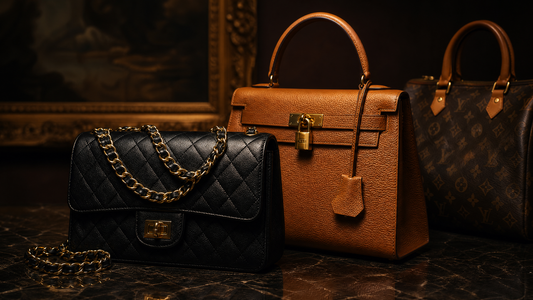
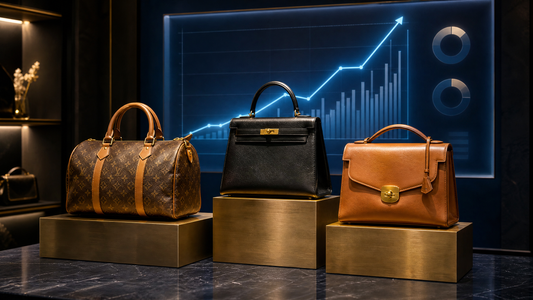
Why do handbags possess such robust vitality in the secondary market? The answer lies in "value retention." A well-crafted, highly recognizable handbag with historical heritage is not only durable but can also maintain or even appreciate in value over time. Take Louis Vuitton, for example. Discontinued classic models like the Tivoli can fetch up to $4,400 on resale platforms. Evergreen models like the Speedy also show immense price elasticity in the secondhand market, depending on size and material.
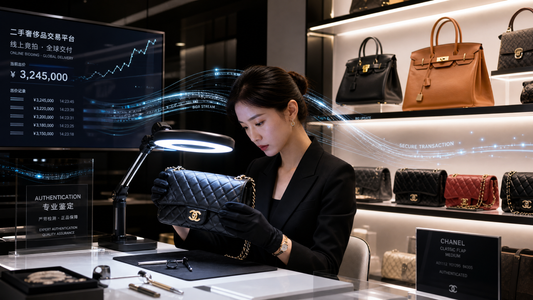
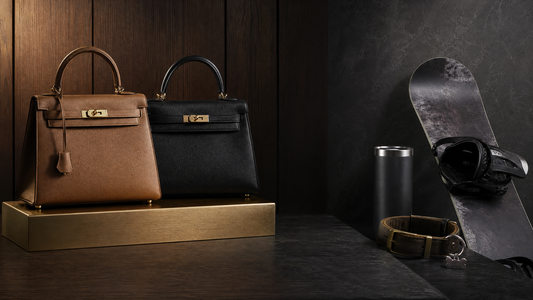
Chanel's Classic Flap serves as the benchmark for transcending trends. Driven by the brand's aggressive pricing strategy, the Classic Flap performs more like an heirloom in the resale market, with rare or pristine condition pieces exceeding $30,000. As for Hermès, whether it's the Birkin coveted by top collectors or the Evelyne favored by insiders for its practical durability, both demonstrate formidable value retention.
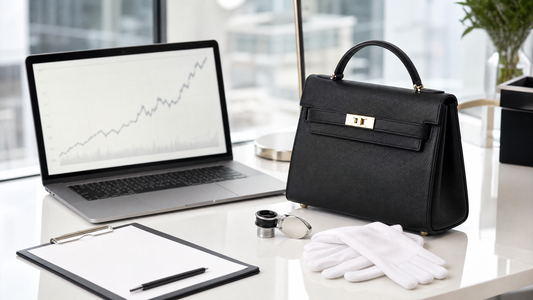
For our vintage dealers in Hong Kong, Japan, China, and Southeast Asia, these data and trends offer crucial practical insights. First, when selling, we must integrate "value retention narratives" with "usage advice." We are not just selling a bag; we are providing asset allocation advice. We need to clearly inform our clients which models, leathers, hardware, and sizes have stronger support in the resale market.
Second, we must educate our clients on how to care for their handbags to maintain their condition ratings. As one seasoned buyer aptly put it: "Patina tells a story; cracks expose neglect." Keeping receipts and dust bags, along with proper use and maintenance, are key to preserving a handbag's long-term value. Finally, when sourcing inventory, we must look beyond current market prices and exercise foresight, paying attention to discontinued models that may appreciate due to contracting supply. In this rapidly growing market, professional insight and in-depth service will be the keys to our success.
Want to learn more about the latest trends and professional analysis in the Asian secondhand luxury market? Visit aisaluxassoc.com today, join our industry network, and seize market opportunities!