Inside Fashionphile's NYC Flagship: What a 17,600% Surge in Snakeskin Searches Means for the Resale Market

I recently came across an insightful piece by The Quality Edit, where fashion editor Mia McManus visited the Chelsea flagship of Fashionphile, one of the largest luxury resale retailers in the US. The article not only pulls back the curtain on how they authenticate, restore, and sell thousands of designer items daily, but also highlights several key trends shaping the current luxury resale market. As someone running a Chanel vintage boutique in Hong Kong, I find these observations incredibly valuable for dealers across Asia.
What struck me first was their philosophy on restoration. The Fashionphile team operates on the principle of preserving the original craftsmanship rather than making an item look "brand new." This perfectly aligns with the professional ethics we uphold in vintage boutiques across Hong Kong and Japan. In the resale market, over-restoration can often destroy the historical footprint and intrinsic value of a bag. When presenting vintage pieces to our clients, we should honestly communicate this, helping them appreciate that the marks of time are actually part of the bag's unique charm.
Secondly, the consumption patterns of younger generations are shifting. Gen Z and Millennials are no longer just looking for a "forever bag"; they are building collections and embracing trade-ins to keep their wardrobes fresh. This signals that trade-in and consignment services will become increasingly crucial for our boutiques in Asia. We are not just sellers; we are partners in our clients' collecting journeys. According to the Business of Fashion, over 60% of active resale sellers have sold luxury accessories for more than their original purchase price. This statistic is a powerful tool for building long-term relationships, showing clients that buying pre-owned luxury is not just consumption, but a form of asset management.
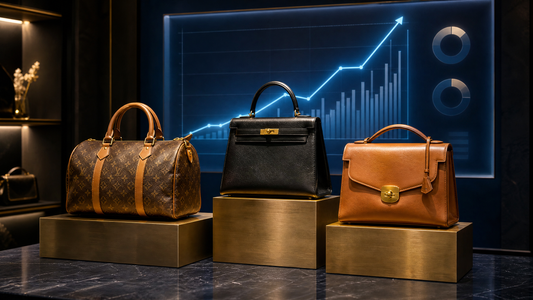
When it comes to sourcing, the article revealed some staggering numbers: searches for snakeskin bags surged by 17,600% year-over-year, sequined Fendi Baguettes rose by 89%, and Hermès clutches jumped over 2,600%. These figures tell us that beyond the traditional "Holy Trinity" (Hermès, Chanel, Louis Vuitton), animal prints, metallics, and evening clutches are highly underestimated sourcing directions. Younger buyers are increasingly seeking unique pieces that express their individuality, which is exactly where vintage boutiques excel.
Finally, regarding the common myth that vintage bags are inherently better than new ones, the reality is more nuanced. Older models often feature thicker leather and heavier hardware, giving them a more substantial feel, but this doesn't mean modern luxury materials are inferior. Modern bags are intentionally designed to be lighter for everyday comfort. In our sales approach, we should objectively analyze these differences to help clients find the piece that best fits their lifestyle. After all, the best investment is always the bag you will actually wear.
Want to stay updated on the latest trends in the Asian luxury resale market and connect with industry peers? Visit the Asia Luxury Association website at aisaluxassoc.com and explore new business opportunities with us.