Luxury Doesn't Equal Value Retention: An Insider's Guide to Depreciation Traps and Real Resale Logic

As a practitioner running a Chanel vintage shop in Hong Kong, I deal with the appraisal and acquisition of various second-hand luxury goods every day. Many customers are often surprised by the quotes when they come to sell: "This is a top brand, why does it depreciate so much?" In fact, in the eyes of us insiders, "value retention" and "personal preference" are two completely different purchasing logics. Today, I want to honestly share the real acquisition logic of the second-hand market and which luxury goods depreciate the most.
First, we must clarify a concept: liquidity determines price. This is the underlying formula for our daily acquisition quotes. When we offer a lower quote for certain styles, it's not a deliberate "lowball," but a realistic consideration based on inventory turnover. If a product is bought by many and sells quickly, its price will hold up. If an item is hard to sell to the next customer after we acquire it, its acquisition price naturally won't be high.
In the second-hand market, there are three categories of luxury goods widely recognized as "depreciation disaster zones." The first category is non-core items, such as snowboards, pet accessories, water bottles, and other "lifestyle items." These products are priced high but have a very small audience and obvious wear and tear. Buying a handbag is for "aesthetics and social interaction," while buying a snowboard is for "function and use." According to data from overseas vintage platforms in 2025, the average resale value retention rate for these non-core items is less than 30%. If you simply like the brand's logo and buy it for photos, that's fine; but if you consider future resale value, it's better to focus on handbags and watches.
The second category is rapidly iterating trendy collaborations and seasonal limited editions. These items often generate massive buzz upon release and may even have a premium. However, the fashion circle's "memory" is short-lived. Once the hype fades, second-hand prices quickly plummet. It's normal for basic models of mainstream brands to depreciate by 30% to 50% in the first year, and the depreciation of collaborations is often even more exaggerated. Many "hit items" that customers queued up for might only be acquired at less than half the original price a few months later because, in the second-hand market, they are already "out of season."
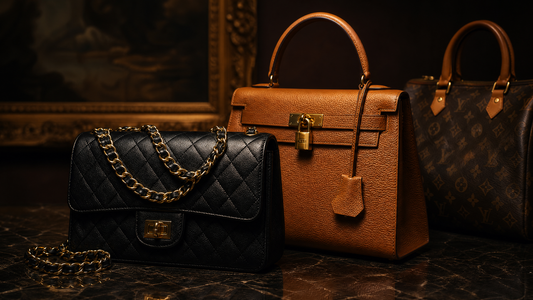
The third category is entry-level new luxury brands and non-popular styles from top brands. According to a report at the end of 2024, handbags from brands like Valentino Garavani, Miu Miu, Givenchy, and Chloé have a value retention rate of about 45% to 55%. More notably, even a top brand like Hermès has styles like the Herbag, which are far less popular in the second-hand market than the Birkin and Kelly. The same applies to the Louis Vuitton Capucines, Dior Saddle Bag, Chanel Le Boy, and non-popular styles from brands like Gucci and Balenciaga. This doesn't mean these bags are bad, but rather that the second-hand market's acceptance is low.
However, this "trap list" is actually good news for buyers. Precisely because the second-hand market doesn't favor them, these styles become accessible entry-level choices for "affordable luxury." If you just want to buy for your own happiness, you can blindly choose the designs you like without considering value retention, because 99.9% of luxury goods are essentially consumer products. If you want to "use and recoup," then focus on hard currency like the Hermès Birkin, Kelly, or Rolex watches. For trend lovers, buying collaborations and seasonal items directly in the second-hand market is actually more cost-effective since the prices have already dropped.
Finally, I want to remind everyone that this article shares market observations and insider experiences, and does not constitute any investment advice. When buying luxury goods, the most important thing is to be clear about your needs: is it for investment and value retention, or purely for personal preference? Both are perfectly reasonable, as long as you don't confuse them.
Want to learn more about the real dynamics and insider insights of the second-hand luxury market? Visit aisaluxassoc.com and explore the infinite possibilities of the luxury industry with us.