The Phenomenon: A Global Influx Awakens Sleeping Assets
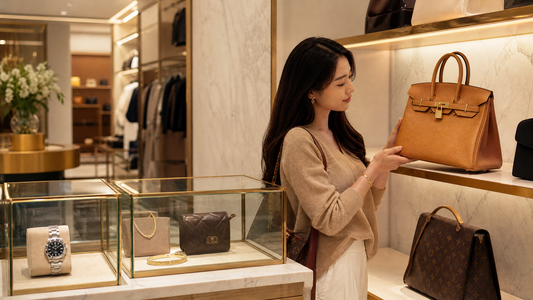
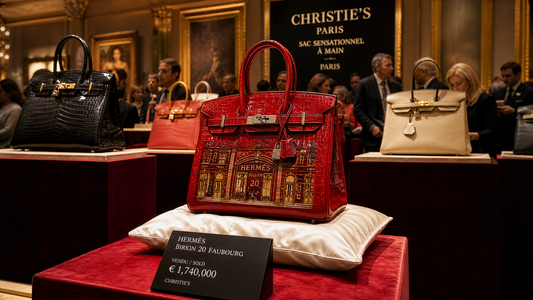
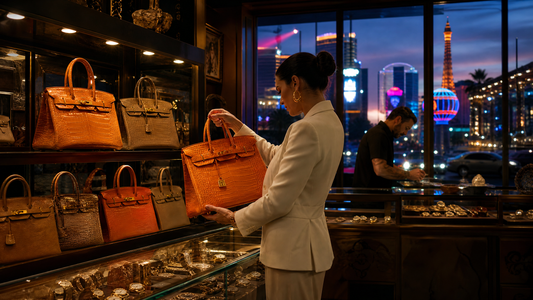
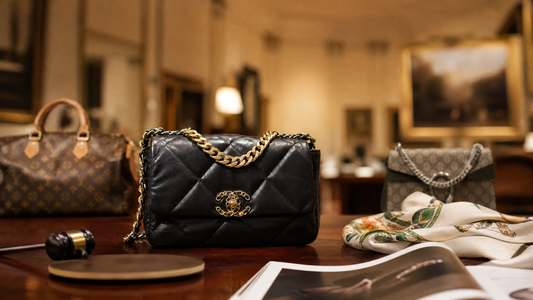
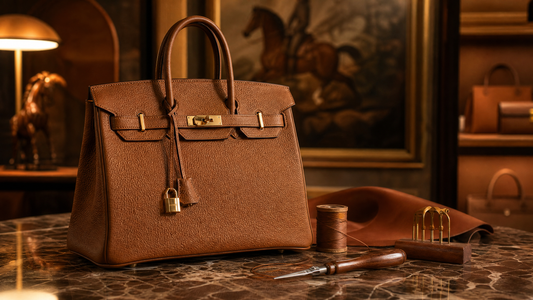
News reports highlight a fascinating trend: tourists from all over the world, including a significant number from Europe and the Americas, are arriving in Japan with empty suitcases. Their destination? The pre-owned luxury boutiques of Tokyo and Osaka. Their goal is clear: to acquire classic, often discontinued, models from brands like Hermès, Chanel, and Louis Vuitton that are nearly impossible to find elsewhere. This frenzy is awakening Japan's "sleeping assets," a treasure trove of pre-owned goods valued at a staggering ¥90.5 trillion.
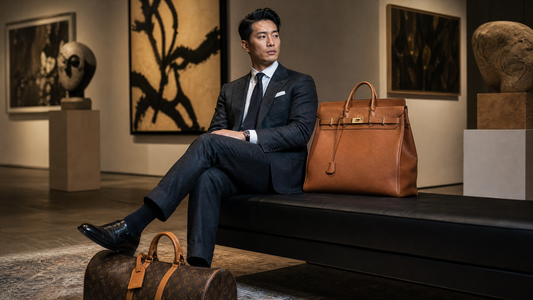
Where do these assets come from? A large portion originates from Japan's "Dankai" (baby boomer) generation and consumers from the bubble economy era. Today, driven by an aging population and the minimalist philosophy of "Danshari" (decluttering), these meticulously preserved luxury items are re-entering the market in pristine condition. For vintage enthusiasts who value uniqueness and history, this represents an unparalleled treasure chest.
The Core Appeal: Four Pillars Beyond the Exchange Rate
If the weak yen is the spark that ignited this fire, the following four pillars are the foundation supporting the long-term prosperity of Japan's second-hand luxury market:
Scarcity of Discontinued Models: Japan is a sanctuary for finding discontinued or limited-edition luxury items. Thanks to its unique collecting culture and a large base of early consumers, models that have long vanished from other markets can often be found here. This holds a fatal attraction for modern consumers seeking individuality and a desire to avoid "fashion clones."
Stable and High-Quality Supply: The Japanese are world-renowned for their meticulous care of personal belongings. Items entering the second-hand market are often in "like new" or even "unused" condition. This consistent, high-quality supply chain is difficult for other markets to replicate.
Mature and Transparent Market: Japan boasts one of the world's most mature and regulated ecosystems for second-hand luxury transactions. From authentication and appraisal to sales, every step is governed by strict standards and legal protections. This allows consumers to buy with confidence, minimizing the risk of counterfeits—a sense of security that is priceless.
Rational Consumer Culture: The concept of "turning idle items into cash" is widely accepted in Japan. This rational consumer mindset not only fuels market liquidity but also promotes "circular fashion" as a respected lifestyle, aligning perfectly with the global trend of sustainability.
Insights for Our Association Members and Peers
For the members of the Asia Luxury Association, the current situation in the Japanese market offers several key insights:
Opportunity: The yen's exchange rate provides an excellent window for procurement. Industry peers familiar with Japanese market channels can leverage this advantage to source unique, cost-effective items for their clients.
Challenge: The information gap is closing fast. Global consumers can now easily access information about the Japanese market, meaning a strategy based solely on price is no longer sustainable. Our core competitiveness must be built on more professional authentication knowledge, a discerning eye for curation, and superior customer service.
The Future: Trust is paramount. The success of the Japanese market is largely credited to its high-trust system. Our association is committed to promoting standardization and transparency across Asia to build an equally reliable trading environment. This is the only path to healthy, sustainable growth for the entire industry.
In conclusion, while the yen's depreciation has undoubtedly added fuel to the fire of Japan's pre-owned luxury market, its intrinsic structural advantages are the real engine keeping that fire burning. As practitioners, we must look beyond the immediate price benefits and recognize the mature business models and cultural foundations that are worthy of our study and adoption.
Interested in more in-depth analysis and business opportunities in Asia's luxury market? Visit our official website and join the Asia Luxury Association to explore the future of the industry with us.
www.aisaluxassoc.com