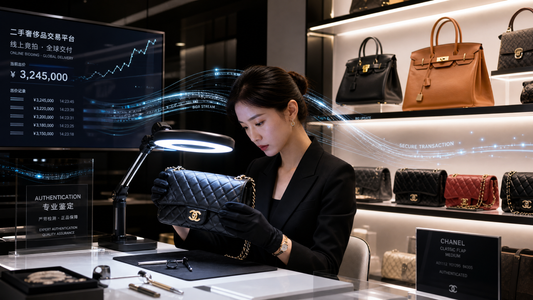
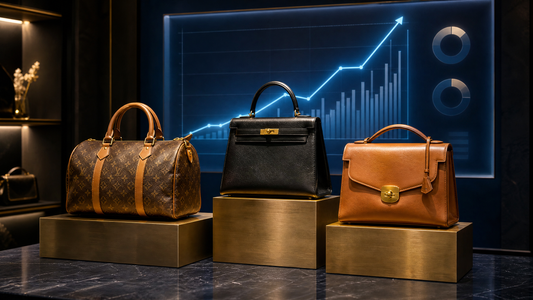
Hello everyone, this is Shiken. I recently noticed some astonishing data regarding the South Korean resale market that I'd like to share with you. According to a report by the Hana Institute of Finance, the size of South Korea's re-commerce market has surged from 4 trillion won in 2008 to 43 trillion won (approximately 27 billion USD) last year, growing more than tenfold. This is not just a growth in numbers, but a fundamental shift in consumer mindset.
In the past, we might have thought that buying secondhand was driven by economic considerations, but the situation is completely different now. A survey by market research firm Embrain shows that a staggering 78% of respondents have bought or sold secondhand clothing, and 62% consider secondhand a natural option when shopping. Generation Z, in particular, views secondhand shopping as a process of "digging" for treasures. They are not buying secondhand because they cannot afford new items, but are actively using resale platforms to find unique pieces that match their personal taste.
This shift is a very important signal for us in the secondhand luxury business. Secondhand consumption has moved beyond "recession-driven consumption" to become a new normal of "spending for one's taste." This means that when consumers are looking for vintage bags or secondhand designer items, they value the uniqueness, historical sense, and ability to express personal style more than just the price advantage.
The full-scale entry of mainstream fashion groups and department stores in South Korea also confirms this trend. For example, Musinsa Used, a resale platform under the fashion e-commerce giant Musinsa, saw its transaction volume grow tenfold year-on-year in the first half of this year; Hyundai Department Store launched a Buy Back service; and Man on the Boon, a select shop under Shinsegae International, even hosted a vintage market at its Cheongdam-dong flagship store. Resale has officially moved from a subculture to the main stage of retail.
As a crucial part of the Asian secondhand luxury market, South Korea's market dynamics have a profound impact on us. With the popularization of the "taste-driven" consumer mindset, the demand for goods circulation and resource matching within the Asian region (such as Japan, South Korea, Hong Kong, and mainland China) will become even more robust. This is undoubtedly a major boon for us vintage and secondhand designer bag merchants. We need to be more acutely aware of changes in consumer tastes and provide products with more uniqueness and storytelling to gain an edge in this booming market.
Want to learn more about the latest dynamics and resource matching in the Asian secondhand luxury market? Visit aisaluxassoc.com and explore new industry opportunities with us.