A recent report by Bain & Company on the 2025 Chinese personal luxury goods market highlighted an interesting shift: consumer mindset is moving from "emotional consumption" to "rational asset allocation." As someone in the second-hand luxury industry, I am often asked, "Which bag holds its value best?" The truth is, only a very small fraction of ultra-luxury, classic, and scarce models can truly retain or increase in value. For the vast majority of consumers, luxury goods inevitably depreciate once they enter the resale market.
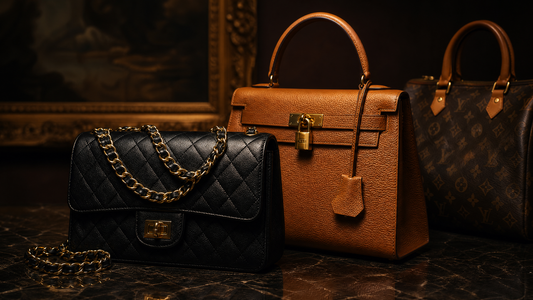
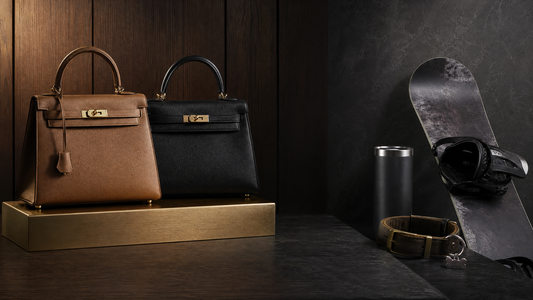
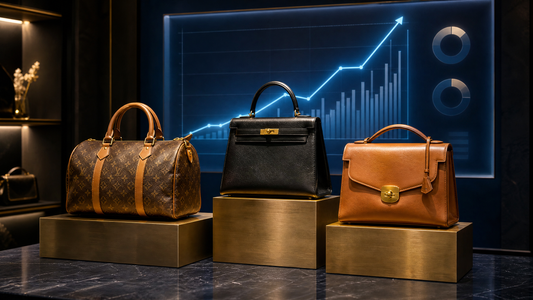
Looking at the 2026 resale market data from Guangzhou and Beijing, value retention rates are highly polarized. Classic Hermès models like the Birkin, Kelly, and Constance boast an average resale value retention rate of 138%, with the Kelly Mini II sometimes reaching 282% of its original retail price. In contrast, Louis Vuitton's classic monogram Neverfull retains about 60% to 80% of its value; while the price remains stable, it offers quick liquidity. As for trendy accessible luxury items like the Gucci GG Marmont, the retention rate drops to merely 30% to 50%, depreciating by over 30% within three years. Even the Chanel Classic Flap, which has seen retail price hikes of over 140% in five years, still faces depreciation upon resale.
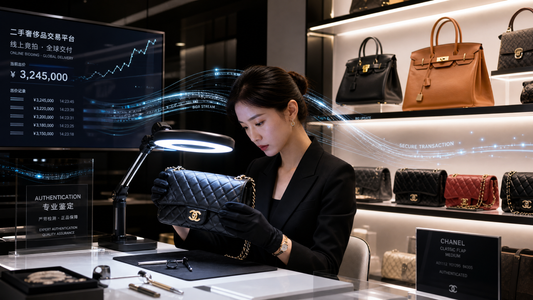
Brands often employ a three-tier strategy to create an "expectation of value retention." The first is systematic price increases, such as Chanel raising prices once or twice a year since 2015. The second is the quota system; purchasing a Hermès Birkin or Kelly often requires buying other products at a 1:1 or even 1:2 ratio, making the actual acquisition cost much higher than the retail price. Finally, we cannot ignore the hidden costs of holding and liquidating these items, including climate-controlled maintenance, authentication challenges, and poor liquidity.
Notably, the transaction volume of China's second-hand luxury market exceeded 138 billion RMB in 2025, growing at 17.6% annually—four times the growth rate of the primary market. Furthermore, over 40% of consumers now check resale prices before purchasing new items. This indicates that the resale market has become the anchor for the true pricing of luxury goods.
For us in the second-hand luxury business, this is a crucial signal. Consumers are becoming more rational, using resale prices as the benchmark for true value. This reminds us to be highly selective with brands and models when acquiring inventory. At the same time, this trend towards rationality presents a massive opportunity for businesses that operate with integrity and transparent pricing. We do not need to completely dismiss the asset-like qualities of handbags, but we certainly agree with the rational trend of "understanding the resale market before consuming."
Want to learn more about the real trends and professional analysis of the second-hand luxury market? Visit aisaluxassoc.com now and stay updated with industry insights!