The Resale Market Goes Mainstream: How Gen Z and Brand-Owned Resale Are Reshaping the Second-Hand Luxury Ecosystem

Hello everyone, Shiken here. Recent reports from Bain & Co. and ThredUp have highlighted a trend that those of us in the industry have felt deeply: the re-commerce market has gone completely mainstream. It is no longer just a niche eco-friendly choice, but a massive industry poised for explosive growth. Data shows that in the US, 42% of consumers have purchased second-hand clothing or accessories at least once in the past year, and in the UK, that figure reaches 48%. This means buying second-hand has become a conscious consumer choice; even affluent consumers who can afford new products are actively embracing the resale market.
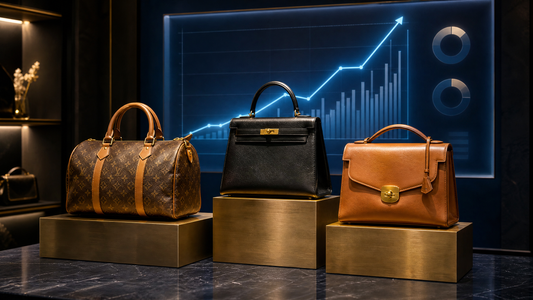
By 2030, global fashion re-commerce revenue is projected to reach $393 billion, growing at more than twice the rate of the overall apparel market. While inflation and the rising cost of living are certainly driving forces—with about 60% to 70% of consumers turning to second-hand shopping to hedge against living costs and maintain access to high-end brands with a lower financial commitment—what is even more noteworthy is the shift in consumer mindset. Modern resale shopping is deeply embedded with the "thrill of the hunt" and a psychological desire for uniqueness.
Gen Z is absolutely the driving force in this trend. Approximately 80% of consumers aged 18 to 24 actively purchase second-hand apparel, and up to two-fifths of the items in their wardrobes come from resale platforms. For us in the second-hand luxury business, this means our customer base is expanding rapidly. The younger generation no longer views second-hand as a lesser option; instead, they see it as a way to express personal style and sustainable values.
Another phenomenon worth noting is the entry of brands and traditional retailers. Since 2021, over 150 major US brands have launched their own dedicated resale platforms. The brands' logic is simple: if they don't sell their own second-hand goods, someone else will. This not only allows them to directly control authentication and address consumer concerns about counterfeits, but it also reflects the immense potential of the second-hand market. For independent dealers like us, the rise of brand-owned resale is both a source of competition and a strong signal of increased industry legitimacy.
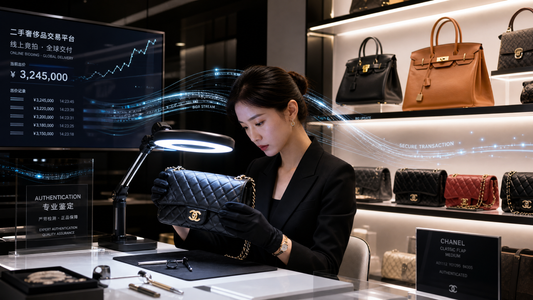
How should we respond to these market changes? I believe that authentication and curation capabilities will become the core competitive advantages for independent dealers. When brands start selling second-hand, what we can offer is a richer cross-brand selection, a more personalized treasure-hunting experience, and impeccable professional authentication. The mainstreaming of the resale market is a massive opportunity. Let's elevate our professionalism together and embrace this vibrant era.
Want to learn more about the latest trends and professional resources in the Asian second-hand luxury market? Visit aisaluxassoc.com and join our professional network.